🏭 Factory Direct · ISO 9001 · FDA Certified · MOQ 1,000 pcs · Get a Free Quote →

Packaging Insights

Practical guides, cost breakdowns, and material intelligence from our engineering team — no fluff, just what actually works in production.

How to save 30 percent on custom packaging costs guide

How to Save 30% on Custom Packaging Costs Without Compromising Quality

Packaging is typically the #3 cost driver in a product's landed cost — after raw material and logistics. Most brands overpay by 15–40% simply because they don't know what levers to pull. Here's the procurement engineer's playbook for cutting costs without touching quality.

Read Full Article

Lever 1: Structural Efficiency — Stop Paying for Empty Air

The single highest-impact change most brands can make is right-sizing their packaging. A box 15% too large doesn't just waste material — it inflates shipping cubage weight, increases void fill costs, and adds unnecessary structure. A proper structural engineer review typically yields 12–18% material savings on the packaging itself.

Request a dieline audit: share your current packaging and ask your manufacturer to optimize for minimum material use while maintaining structural integrity. At ChromaPack, this is a complimentary service for qualified brands.

Lever 2: Print Reduction — Strategic Design Simplification

Full 4-color CMYK printing across all panels is rarely necessary. Consider: (1) Reducing to 2-spot-color printing on non-display panels. (2) Using the natural material texture as a design element instead of covering it with ink. (3) Reserving full color for only the primary display face. These changes can cut printing costs 20–35% with zero perceived quality reduction to the end consumer.

Lever 3: MOQ Consolidation — Bundle SKUs Intelligently

ScenarioUnit CostAnnual Saving vs. Small Runs
500 units, 4 SKUs separately\$2.80Baseline
2,000 units, 4 SKUs combined run\$1.95~\$3,400/yr
5,000 units, standardised dieline + different print\$1.40~\$8,400/yr

The key insight: standardize your structural dieline across SKUs, differentiate with print only. This allows higher combined MOQ on the structure while maintaining distinct visual identities.

Lever 4: Lead Time — The Hidden Cost of Rush Orders

Rush orders (under 7 days production) carry a 20–35% premium. Brands that plan 6–8 weeks ahead eliminate this surcharge entirely. Build a 60-day rolling forecast and share it with your manufacturer. Most will offer preferential scheduling — and some will offer consignment inventory arrangements for very regular customers.

Lever 5: Material Substitution Without Compromise

Not all premium appearances require premium materials. A 300 GSM SBS board with soft-touch lamination often outperforms a 400 GSM uncoated board on both perception and cost. Ask your manufacturer for material substitution recommendations with side-by-side samples before committing to a specification.

Want a free cost audit on your current packaging spec?

Request Free Audit
2026 sustainable packaging materials trends kraft mylar eco

2026 Sustainable Packaging Materials: What's Actually Working vs. What's Just Marketing

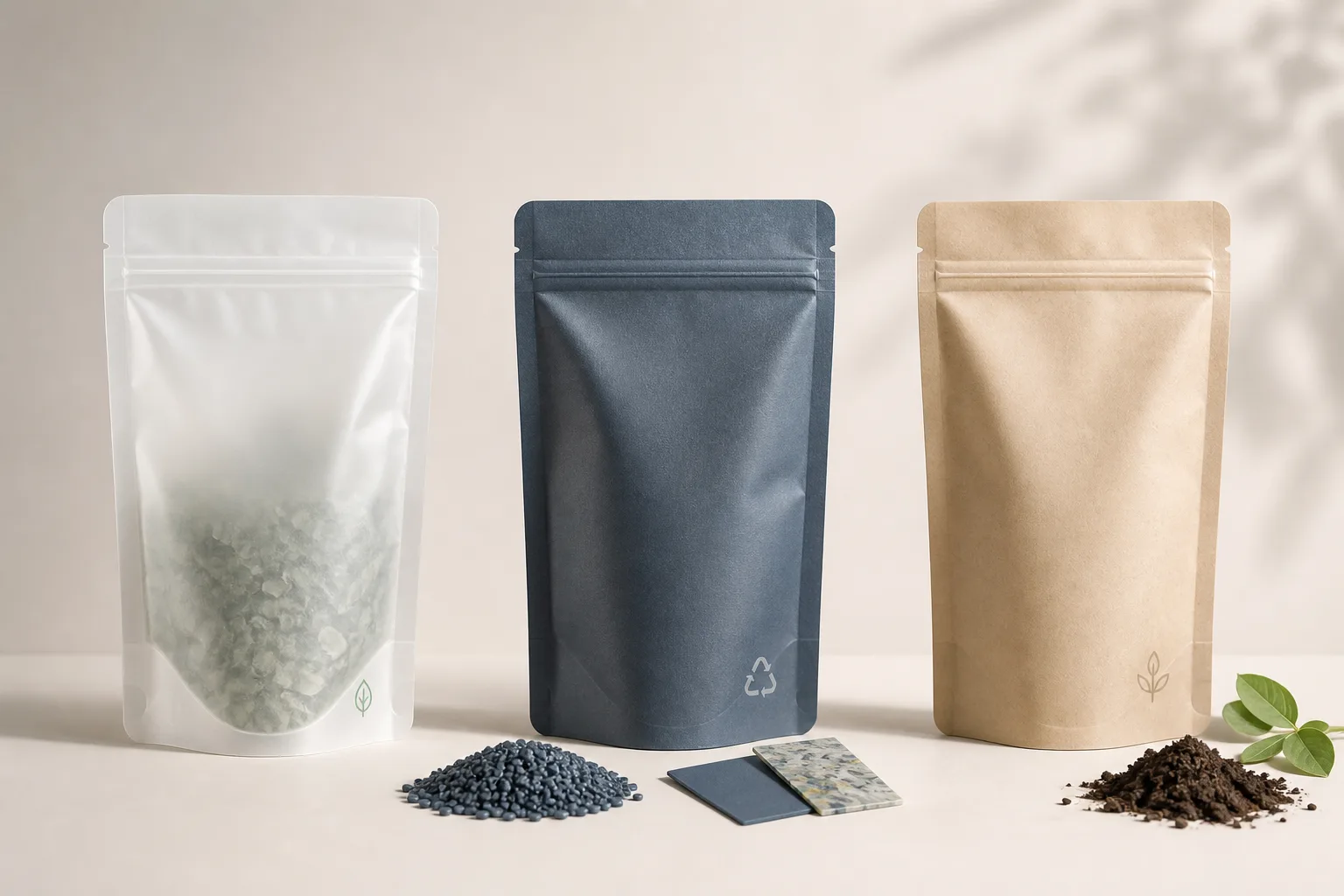
The sustainable packaging space has never been noisier — or more confusing. Every supplier claims "eco-friendly," but the specifications rarely match the marketing. After sourcing hundreds of sustainable packaging projects across food, beauty, and pharmaceuticals, here's our honest assessment of what's real, what's ready for production, and what's still a science experiment.

Read Full Article

Tier 1: Proven & Production-Ready (Deploy Now)

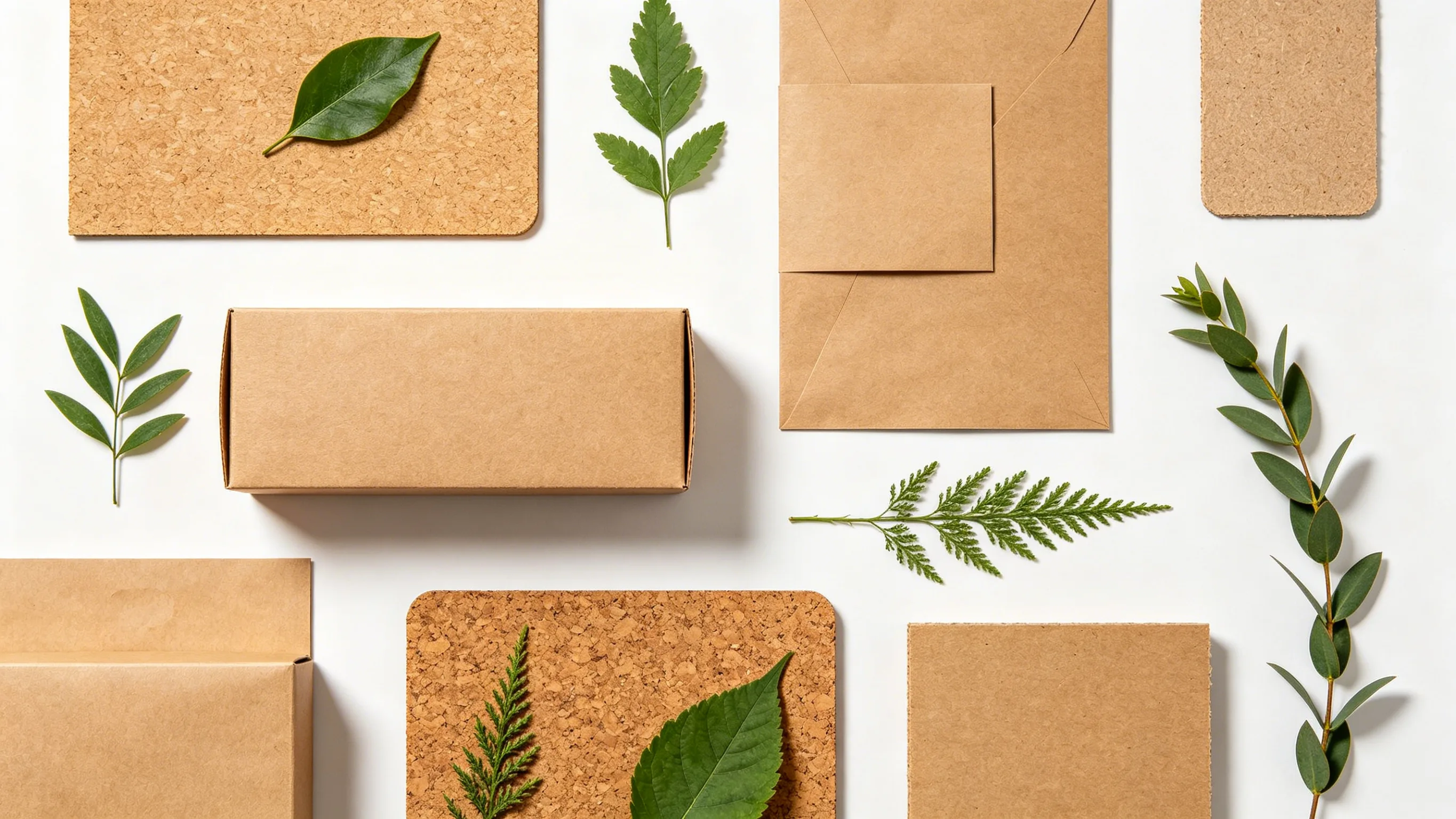
  • FSC-certified kraft and SBS board — mature supply chain, cost parity with conventional, full print compatibility. The no-brainer starting point for any sustainability transition.
  • Post-consumer recycled (PCR) content board — available in 30–100% PCR blends. Slight color variation (off-white vs. bright white) is the main aesthetic consideration.
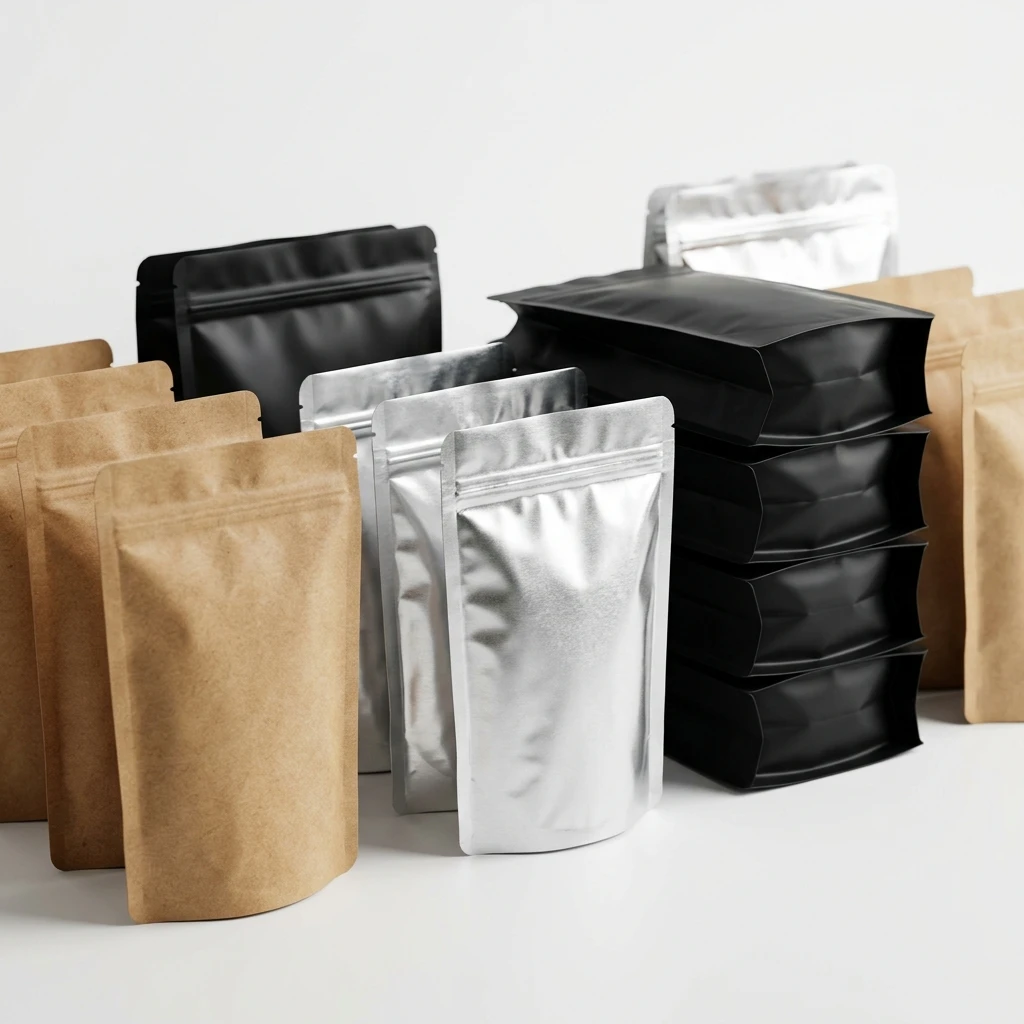
  • Mono-material flexible films — PE-PE or PP-PP laminates that are technically recyclable (versus traditional multi-layer PET/PE structures). Now widely available from major film suppliers.

Tier 2: Promising but Context-Dependent

  • Compostable PLA films — industrially compostable (not home compostable despite labeling). Requires 60–70°C commercial composting infrastructure that most consumers don't have access to. Best for brands with controlled B2B distribution.
  • Mushroom/mycelium packaging — genuine promise for protective inserts and void fill. Structural quality inconsistent at scale. Currently 3–5× the cost of EPS alternatives.
  • Seaweed-based films — notable pilot projects (Notpla, etc.) but still pre-commercial at meaningful volumes. Watch this space for 2027.

Tier 3: Marketing Claims Outpacing Reality

  • "Biodegradable" plastic additives (oxo-degradable) — banned in the EU since 2021. Fragments into microplastics rather than biodegrading. Avoid entirely.
  • "Ocean plastic" rigid packaging — supply chain traceability is largely unverified. Regulatory scrutiny intensifying in the EU and UK.

2026 Trend: Transparency Over Claims

The most sophisticated brands in 2026 are moving away from vague "eco-friendly" claims toward specific, verifiable metrics: PCR percentage, total packaging weight, recyclability rate. This approach builds more durable consumer trust and is significantly more defensible under incoming EU Green Claims Directive scrutiny.

MaterialReadinessCost vs. ConventionalBest Application
FSC Kraft Board✅ ReadyParityFolding cartons, pouches
PCR SBS Board✅ Ready+5–10%Premium boxes, retail packaging
Mono-material PE films✅ Ready+8–15%Flexible pouches, sachets
Compostable PLA⚠️ B2B only+40–80%Controlled distribution
Mycelium inserts⚠️ Pilot scale+200–400%Premium gift boxes

Want a sustainability assessment for your current packaging?

Get an Eco Audit
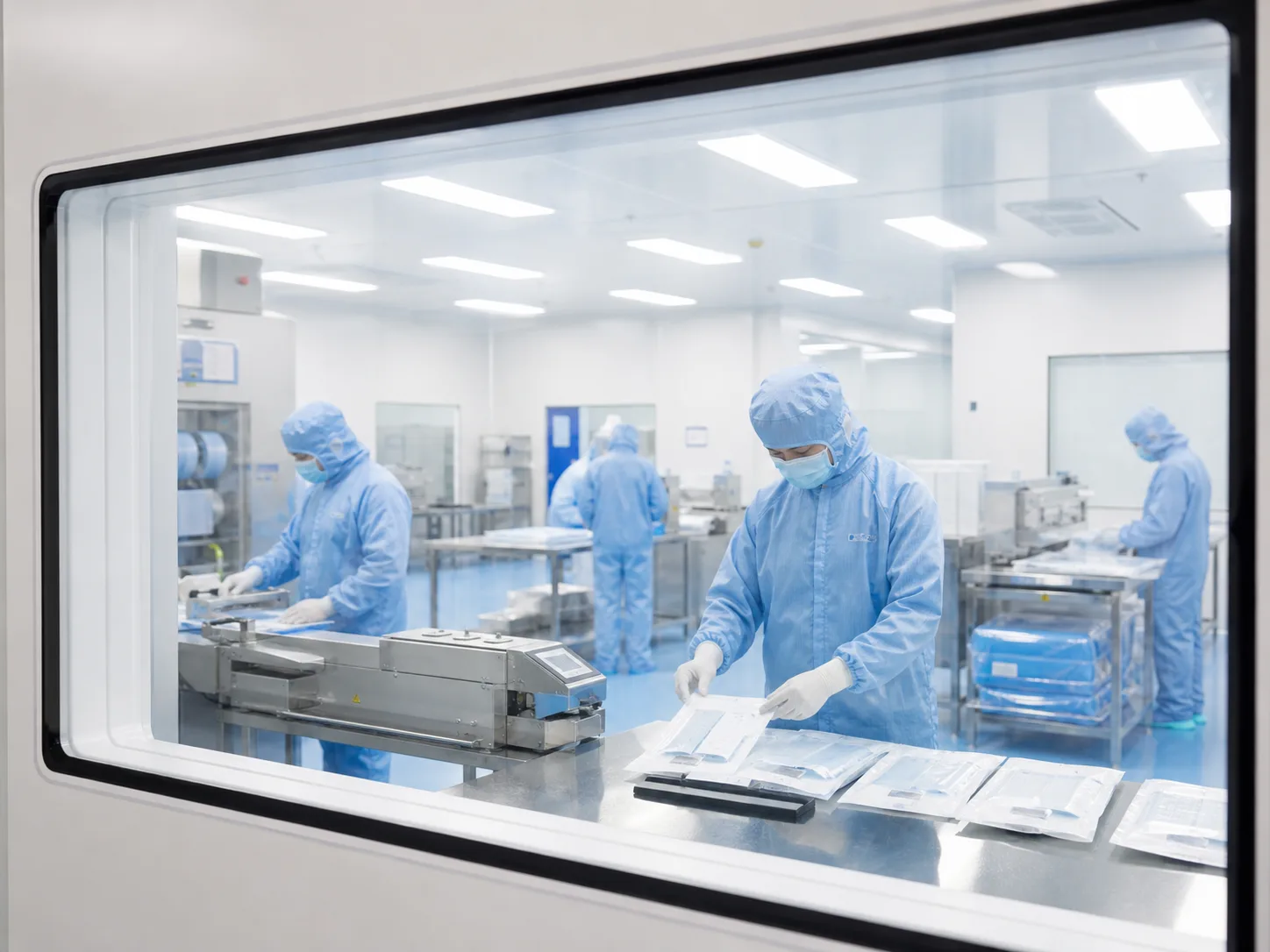
Medical packaging manufacturer China ISO 11607 FDA sterile barrier

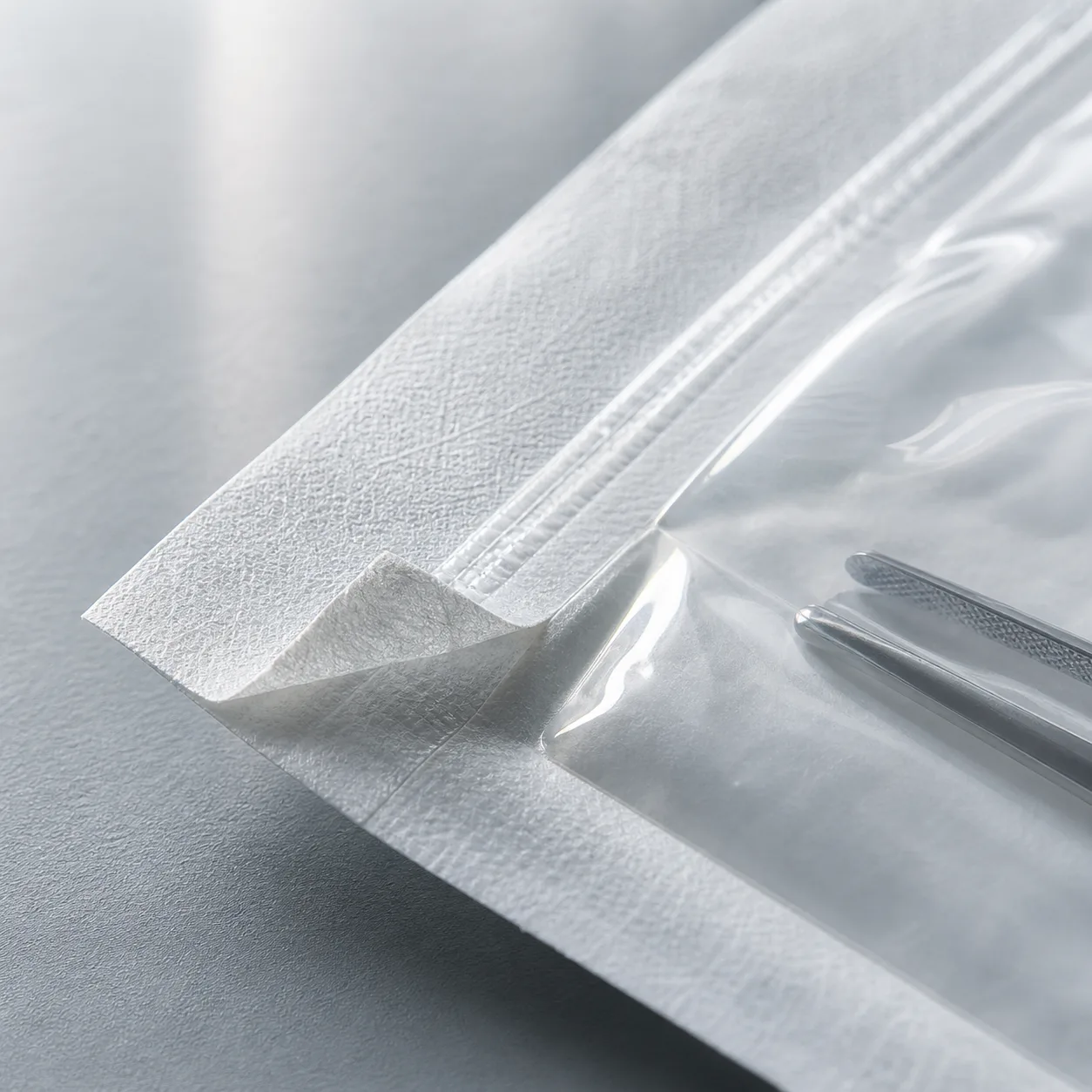
Medical & Pharmaceutical Packaging from China: ISO 11607, FDA & Sterile Barrier Standards Explained

Most packaging buyers treat compliance as a checkbox. In medical packaging, it is the product. A Tyvek pouch that fails a seal integrity test does not just cost you money — it can trigger a product recall or an FDA warning letter. This guide covers what ISO 11607 actually requires, what documents to demand from any supplier, and how to verify that a Chinese factory can genuinely meet the standard.

Read Full Article

1. Why Medical Packaging Is Hard to Source from China

The honest reason most Chinese packaging factories do not offer medical-grade products is that the barrier to entry is genuinely high. ISO 11607 certification requires validated processes, documented material traceability, and reproducible seal integrity testing — not just a quality management system. The result: fewer than 5% of Chinese packaging manufacturers are equipped to supply sterile barrier systems that can pass a western regulatory audit.

For buyers, this creates three recurring concerns:

  • Are the certifications real? ISO certificates can be faked or expired. Always request the certificate number and verify it against the issuing body's registry.
  • Is the material sterilization-compatible? A Tyvek pouch suitable for EO sterilization is not automatically compatible with gamma or steam. Material selection must match your sterilization method.
  • Can the factory produce audit-ready documentation? FDA-regulated buyers need Batch Manufacturing Records, material test reports, and seal strength data — not just a certificate of conformance.

These are legitimate concerns. The sections below address each one directly.

2. Core Standards Reference Table

Use this table as a supplier qualification checklist. Any manufacturer quoting on medical packaging should be able to demonstrate compliance with every applicable row:

StandardScopeChromaPack Status
ISO 11607-1Materials, sterile barrier systems & packaging systems for terminally sterilized medical devices✅ Compliant
ISO 11607-2Validation requirements for forming, sealing & assembly processes✅ Compliant
FDA 21 CFR 177Indirect food/medical contact material safety (US market)✅ Certified
(EC) 1935/2004EU materials & articles intended to contact food/medical products✅ Certified
CE MarkingEU medical device market access✅ Compliant
ASTM F88Seal strength testing for flexible barrier materials✅ Tested & documented
ASTM F1929Seal integrity testing (dye penetration method)✅ Executed
ISO 9001Quality management system (foundation for all above)✅ Certified

When evaluating any supplier, request the certificate number for ISO 9001 and verify it on the issuing body's public registry (e.g., BSI, TÜV, SGS). An unverifiable certificate number is an immediate disqualifier.

3. Product Types, Sterilization Methods & Typical Applications

Matching your product to the correct packaging and sterilization method is the first engineering decision in any medical packaging project. The table below covers the most common combinations:

Packaging TypeCompatible SterilizationTypical Application
Tyvek Sterile PouchesEO, Gamma, E-beamSurgical instruments, catheters, implants
Medical Sterilization ReelsEO, Steam (134°C)Dental instruments, small surgical tools
Paper-Plastic Composite PouchesEO, SteamSyringes, dressings, disposable kits
PTP Pharmaceutical Aluminum FoilN/A (moisture barrier)Tablets, capsules, blister packs
Cold Form Aluminum FoilN/A (moisture & light barrier)Moisture-sensitive APIs, biologics
Pharmaceutical Lidding FoilN/A (hermetic seal)Pre-filled syringes, vials, IV containers

Note on Tyvek vs. Paper-Plastic: Tyvek (DuPont spunbonded polyolefin) offers superior microbial barrier performance and is preferred for devices requiring gamma or E-beam sterilization. Paper-plastic composite pouches are lower cost and suitable for EO and steam, but are not recommended for radiation sterilization methods.

4. What Documents to Demand from Any Supplier

Certification claims are easy to make. Documentation is where suppliers either prove or fail their compliance posture. Before placing any order for medical packaging, require the following five document types:

  • ISO 9001 Certificate — with certificate number, issue date, expiry date, and name of certifying body. Verify online.
  • Material Test Reports — issued by an accredited third-party laboratory (SGS, Intertek, or equivalent), covering the specific material batch you are ordering.
  • Seal Strength Test Data (ASTM F88) — minimum seal strength values per your specification, tested on production-equivalent equipment. ChromaPack provides this with every order.
  • Biocompatibility Declaration — confirming materials meet ISO 10993 or equivalent biocompatibility requirements for your device classification.
  • Batch Traceability Records — linking each production lot to its raw material batch, machine settings, operator records, and QC results. Essential for FDA audit readiness.

Any supplier who hesitates on any of these five is not ready for regulated market supply chains. ChromaPack provides all five as standard for medical packaging orders.

5. MOQ, Lead Times & Sampling

Medical packaging procurement timelines differ from standard packaging due to the validation requirements. Here is what to plan for:

ParameterChromaPack (Medical)Notes
MOQ500 unitsPer SKU; lower MOQ available for reorders
Quote turnaround24 hoursIncluding material spec and compliance documentation list
Sample lead time3–6 business daysAfter material and spec confirmation
Bulk production15–25 daysDepending on quantity and complexity
Documentation packageIncludedCoC, ASTM F88 test data, material traceability
Sample cost$50–$120Deductible against bulk order

For buyers running a supplier qualification process, we recommend requesting a sample kit that includes the packaging sample plus the full documentation package simultaneously — this allows your QA team to review compliance documentation while the physical sample is in transit, compressing your qualification timeline by 1–2 weeks.

Frequently Asked Questions

  • Can I trust ISO 11607 compliance from a Chinese factory? How do I verify it?
    Yes — if you verify it correctly. Request the ISO 9001 certificate number and check it against the certifying body's public registry (BSI, TÜV, SGS all maintain searchable databases). Also request ASTM F88 test data from a named third-party lab, not just an internal report. A factory that cannot provide both is not audit-ready.
  • What is the difference between Tyvek pouches and paper-plastic pouches?
    Tyvek offers superior microbial barrier performance and is compatible with gamma and E-beam sterilization. Paper-plastic is lower cost and suitable for EO and steam, but cannot withstand radiation sterilization. The choice depends entirely on your sterilization method.
  • What is the MOQ for medical packaging at ChromaPack?
    MOQ is 500 units per SKU for all medical packaging types, including Tyvek pouches, sterilization reels, and pharmaceutical foils. Samples are available from 3–6 business days after spec confirmation.
  • Can you provide sterilization compatibility test reports?
    Yes. We provide material test reports from accredited third-party laboratories (SGS), ASTM F88 seal strength data, and biocompatibility declarations as standard with every medical packaging order.

Need a compliant medical packaging supplier with full documentation? We respond within 24 hours — including compliance documentation availability for your specific standard.

Request a Compliance Quote
OEM vs ODM packaging comparison guide for brand owners

OEM vs. ODM Packaging: Which Model Is Right for Your Brand?

When sourcing custom packaging from China, the first crossroad you'll encounter is choosing between OEM (Original Equipment Manufacturer) and ODM (Original Design Manufacturer). This guide breaks down exactly which model fits your current business stage — with real costs, timelines, and decision criteria.

Read Full Article

1. OEM vs. ODM: The Core Differences at a Glance

For quick reference, here is how the two models compare across five key procurement metrics:

MetricOEM (Custom Specification)ODM (Factory Standard + Branding)
Design OwnershipBuyer provides technical drawingsFactory provides existing structures
CustomizationUnlimited (Shape, Size, Material)Limited to Graphics and Finishes
Tooling CostHigh (Custom molds/dies required)Low to Zero (Using existing dies)
Lead Time10–14 weeks (including prototyping)6–8 weeks
Ideal ForEstablished brands with strict CIStartups, Private Labels, Rapid testing

2. When Should You Choose OEM Packaging?

OEM is the "Built from Scratch" model. You are not just buying a box; you are creating a proprietary asset. Choose OEM if:

  • Unique Structural Needs: Your product has a non-standard shape (e.g., a hexagonal telescope box or an asymmetrical magnetic closure) that requires custom engineering.
  • Established Brand Identity: Your brand manual dictates specific paper weights, textures, and dimensions that off-the-shelf solutions cannot meet.
  • Large Scale / Long Term: You are willing to pay the initial Tooling Fee (approx. $150–$300) because the unit price at high volumes (5,000+ units) will eventually be lower.

Example: A luxury perfume brand requiring a velvet-lined rigid box with a custom-molded plastic insert to hold a specific bottle shape.

3. When Should You Choose ODM Packaging?

ODM is often referred to as Private Label Packaging. The factory has already done the structural R&D; you simply apply your "skin." Choose ODM if:

  • Speed is Priority: You need to launch a product in 2 months and cannot afford 3 weeks of back-and-forth on structural prototypes.
  • Lower Initial Budget: You want to avoid custom die-cutting fees and mold costs.
  • Market Testing: You are launching a new SKU and want to test the market with a low MOQ (typically 500 units) using a standard box size.

Example: A skincare startup using a standard 10×10×5cm Lid and Base box, but adding premium Rose Gold foil and custom matte lamination to make it feel high-end.

4. The "Hybrid" Model: The Secret to Cost-Effective Branding

In real-world procurement, most savvy brands use a Hybrid Strategy: Structural ODM + Graphic OEM. Instead of reinventing the box shape (which is expensive and slow), you choose a factory-standard structure (ODM) but customize every square inch of the visual surface (OEM Printing).

The benefit: you get a 100% custom-branded look without the mold fee or the technical drawing phase. At ChromaPack, 70% of our mid-market clients use this model to achieve a "Luxury" feel on a "Startup" budget.

5. How ChromaPack Supports Both Models

Whether you have a finished CAD file or just a logo and a vision, our Shenzhen facility handles both paths:

  • For OEM: We provide DFM (Design for Manufacturing) feedback within 48 hours to ensure your custom structure is stable for international shipping.
  • For ODM: Access our library of 200+ proven box die-lines. Drop in your artwork and we go straight to sampling.
  • Shared benefit: All orders include 24-hour quoting, full material traceability, and sample costs deductible against the bulk order.

Also see: Custom Gift Box Pricing Guide: MOQ, Finishes & Lead Times →

Frequently Asked Questions

  • Is OEM always more expensive than ODM?
    Not necessarily in terms of unit price. While OEM has higher upfront tooling costs ($150–$300 for a standard die), the per-unit cost at 10,000+ units is often identical to ODM.
  • Can I put my logo on an ODM box?
    Yes. That is the definition of Private Labeling. You use the factory's structure but the printing is 100% yours.
  • Which is better for eco-friendly packaging?
    Both can be eco-friendly. At ChromaPack, we offer FSC-certified paper and soy-based inks for both OEM and ODM projects.
  • How much are the tooling fees for OEM?
    For a standard rigid box with a custom size, expect $150–$300 for the die-cutting mold. This is a one-time fee, and it is recouped quickly at volume.

Not sure which model fits your project? Tell us your product size and target quantity — we'll recommend the right path and quote within 24 hours.

Get a Free Consultation
Custom gift box manufacturer China MOQ pricing lead times guide

Custom Gift Box Manufacturer China: MOQ, Pricing & Lead Times Explained

If you're sourcing custom gift boxes from China for the first time, you're likely facing the same questions every buyer has: What's the minimum order? How much does it actually cost? How long will it take? This guide answers all three — with real numbers from a factory that has been producing rigid gift boxes for over a decade.

Read Full Article

Is Sourcing from China Right for You?

China-based factory sourcing makes sense in most cases — but not all. Here's a quick checklist to help you decide before you invest time in getting quotes:

  • ✅ Good fit: Order quantity ≥ 500 units per SKU
  • ✅ Good fit: Lead time flexibility of 8–12 weeks for first order
  • ✅ Good fit: Looking for custom print, finish, or structure (not off-the-shelf)
  • ✅ Good fit: Target unit cost below what local suppliers can offer
  • ⚠️ Consider alternatives: Need fewer than 200 units — local or on-demand printing may be more cost-effective
  • ⚠️ Consider alternatives: Timeline under 4 weeks — sea freight alone takes 25–35 days

For brands ordering 500+ units with any degree of customization, factory-direct from Shenzhen typically delivers 30–50% lower unit cost versus equivalent local suppliers — at the same or higher quality tier.

Gift Box Pricing: What Actually Drives the Cost

The most common question buyers ask is "how much does a custom gift box cost?" — and the honest answer is: it depends almost entirely on complexity and quantity, not just box style. The same magnetic closure box can cost \$3 or \$30 depending on materials, finishes, and order volume. Here's how to think about it:

TierDescriptionMOQPrice Range (FOB)
StandardSingle or 4-color print, matte/gloss lamination, no special finish500 pcs\$2–\$4 / unit
Premium4-color print + one specialty finish (foil stamping or spot UV)500 pcs\$4–\$8 / unit
LuxuryMultiple finishes, complex structure, premium board weight500 pcs\$8–\$20 / unit
BespokeFull custom engineering — watch boxes, jewelry presentation, multi-component setsCustom\$20–\$200+ / unit

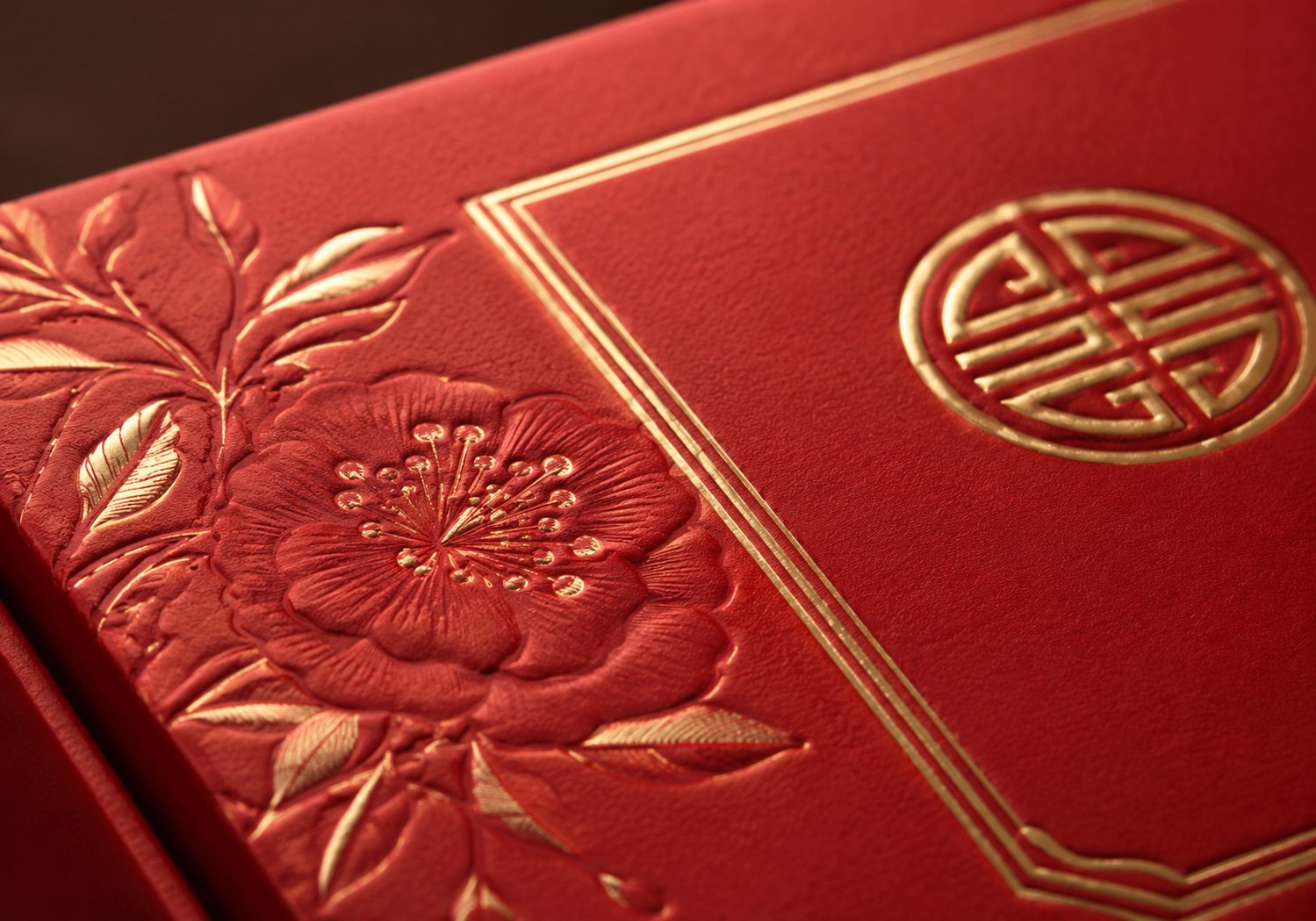
For context: a standard branded gift box for cosmetics or apparel typically lands in the \$2–\$5 range at 500+ units. A high-end watch presentation box with velvet insert, magnetic closure, and multi-layer foiling can reach \$50–\$200+ — and that level of craftsmanship is exactly what our Bespoke tier is built for. The key variable is always complexity, not the box style name.

How Surface Finishes Affect Your Unit Price

The base box price above assumes standard matte or gloss lamination with 4-color CMYK print. Specialty finishes add to the unit cost but often deliver outsized brand value:

  • Foil Stamping (small area): +\$0.04 per unit — ideal for logos, brand marks
  • Foil Stamping (large panel coverage): +\$0.07 per unit — for full-surface metallic effects
  • Spot UV (small area): +\$0.04 per unit — adds tactile gloss contrast to matte base
  • Spot UV (large coverage): +\$0.07 per unit
  • Soft-Touch Lamination: +\$0.05–\$0.08 per unit — velvet-feel surface, very popular in luxury cosmetics
  • Embossing / Debossing: +\$0.05–\$0.10 per unit depending on die complexity

Cost note: Combining two finishes (e.g. soft-touch base + spot UV logo) is common and the incremental cost is additive — typically adding \$0.08–\$0.15 total to the unit price. For most premium gift boxes, this investment pays back in perceived value many times over.

Sample Process: From Inquiry to Approved Sample

Every bulk order at ChromaPack starts with a sample. Here's how it works:

  1. Submit your inquiry — share your product dimensions, quantity, and any reference images or brand guidelines
  2. Receive your quote — within 24 hours, including material spec, price breaks, and lead time
  3. Approve the dieline — our structural engineers send a digital dieline for your review; revisions included
  4. Physical sample dispatched — 3–7 business days after dieline approval
  5. Sample cost — \$30–\$80 depending on complexity; fully deductible against your bulk order

Any manufacturer that asks for bulk commitment before samples is a red flag. Samples are non-negotiable — they protect both sides.

→ Request a free dieline + quote now

How Long Does It Take to Ship Custom Gift Boxes from China? (The 60-Day Timeline)

First-time buyers consistently underestimate total lead time. Here's a realistic end-to-end timeline for a standard custom rigid box order shipped to the US or EU:

StageTimelineNotes
Inquiry → QuoteDay 0–124-hour response SLA
Dieline approvalDay 1–3Digital file, revisions included
Sample production & dispatchDay 3–10Physical sample by DHL/FedEx
Sample review & approvalDay 10–17Your side — allow 3–5 days
Bulk productionDay 17–3514–20 days depending on quantity
Sea freight to US/EUDay 35–6525–35 days port-to-port
Goods at your warehouse~Day 60–70Allow buffer for customs clearance

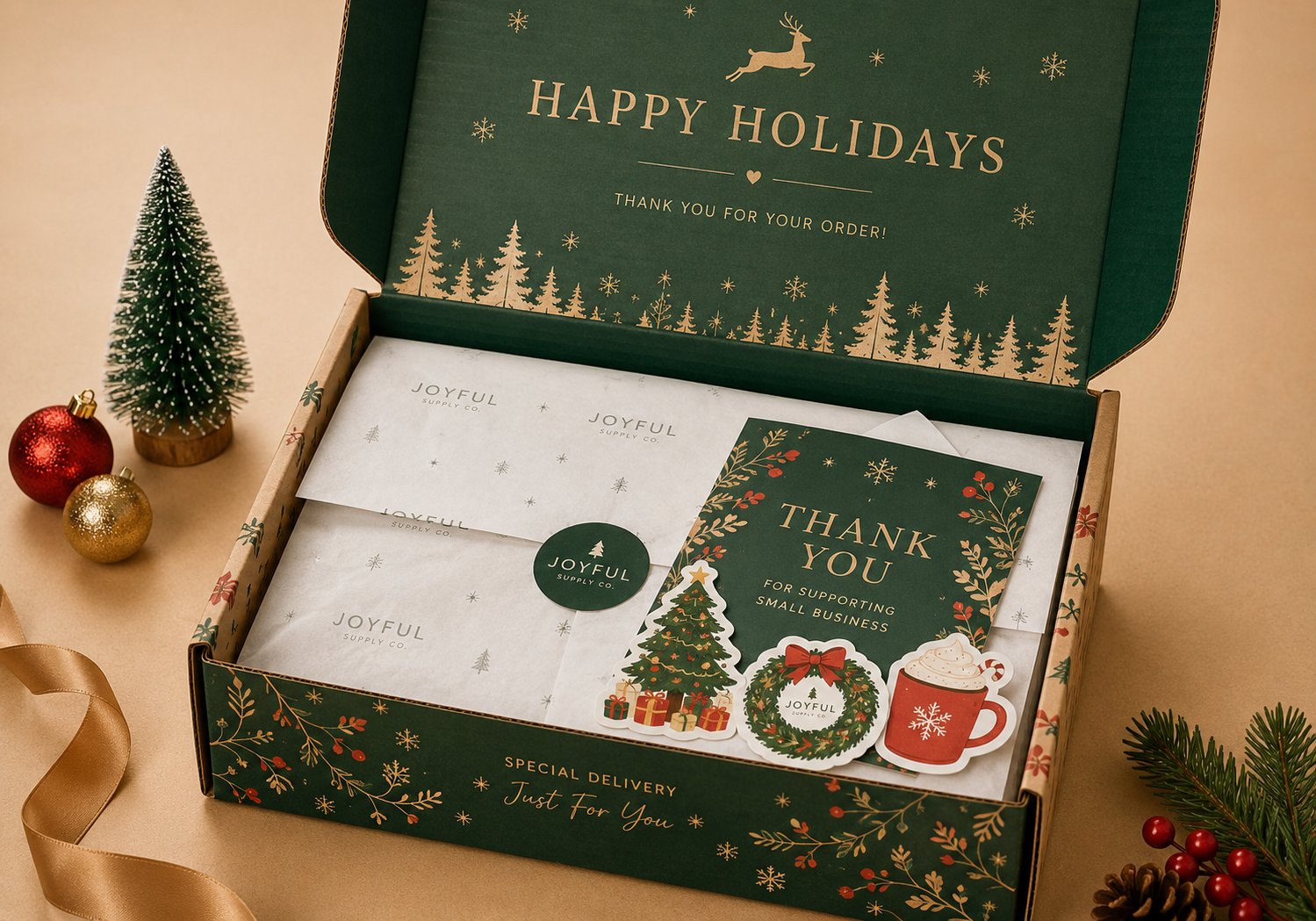
Planning rule of thumb: Start your custom gift box order 10–12 weeks before the date you need stock in hand. For holiday seasons (Christmas, Valentine's Day), add a 2-week buffer — production slots fill up 3–4 months in advance.

How to Qualify a Gift Box Factory: 5 Non-Negotiables

Not every manufacturer quoting on Alibaba is a factory. Here's the minimum standard a serious supplier should meet:

  • ISO 9001 certification — independently audited quality management system; ask for the certificate number and verify it
  • Physical samples on request — before any bulk commitment, always
  • Detailed spec sheet per quote — board weight (GSM), substrate, lamination type, print process all listed explicitly
  • Factory audit welcome — any reluctance to allow third-party inspection is a warning sign
  • Inline QC documentation — ask to see their inspection checklist; professional factories have one

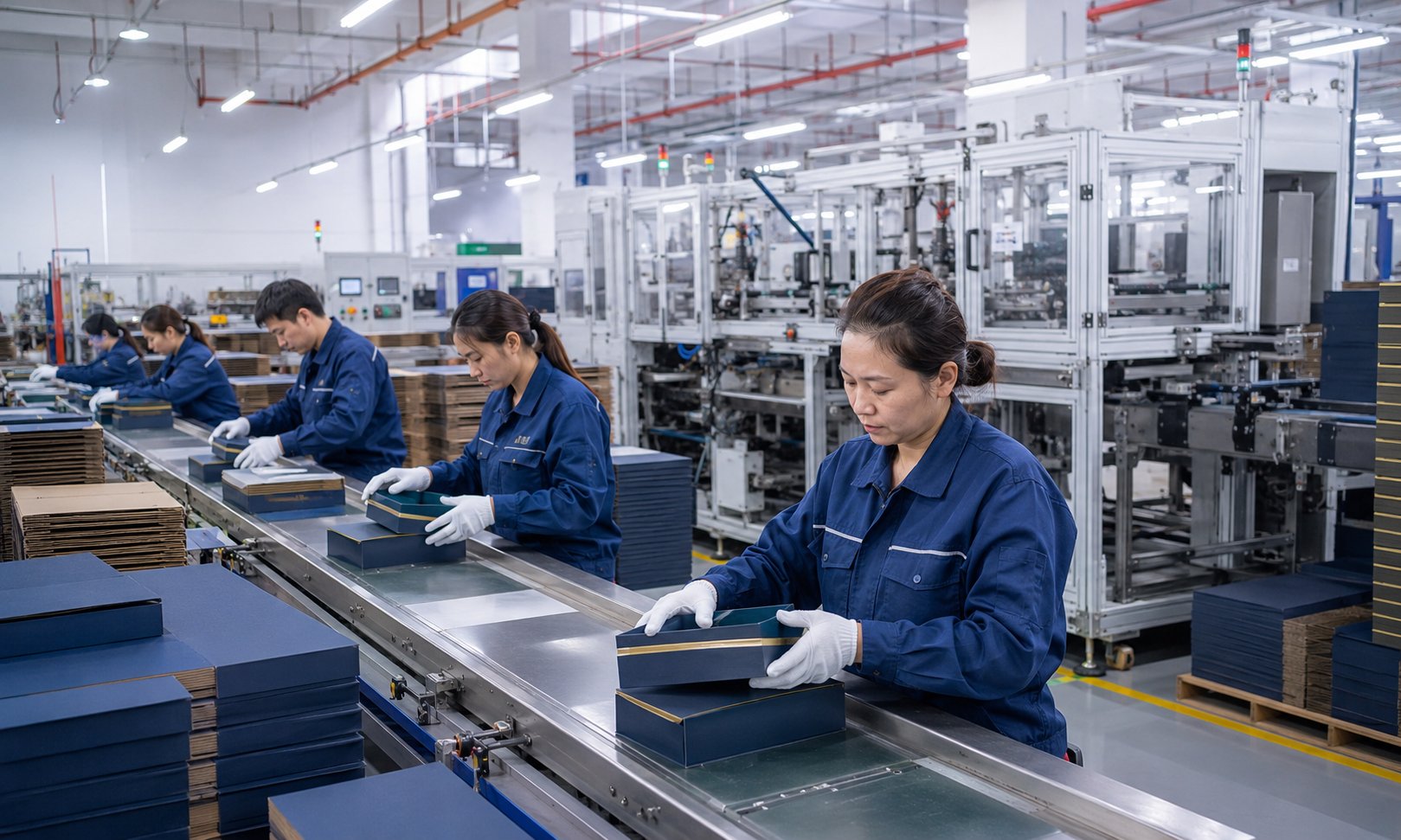
ChromaPack holds ISO 9001 certification, welcomes third-party audits, and provides full material traceability documentation on request. Our factory address and business registration are available to any qualified buyer.

Frequently Asked Questions

  • What is the most affordable custom gift box option?
    A Standard-tier box — single or 4-color print with matte lamination, no special finish — starts from around \$2/unit at MOQ 500. This covers most everyday gifting and retail packaging needs.
  • Can I order 500 units with a custom logo?
    Yes. ChromaPack's MOQ is 500 units for all rigid box styles, including fully custom print and finish. Many competitors require 1,000–3,000 units minimum.
  • How much does foil stamping add to the price?
    Small-area foil stamping adds approximately \$0.04 per unit. Large panel coverage adds \$0.07 per unit. It is one of the most cost-effective ways to elevate perceived brand value.
  • Do you offer free samples?
    We offer white (unprinted) structural samples at no charge for qualified buyers. Printed samples are \$30–\$80 and are fully deductible against the bulk order.

Ready to get a quote? Share your box size and quantity — we respond within 24 hours.

Get a Free Quote
beginner guide custom packaging manufacturer China sourcing

The First-Time Buyer's Complete Guide to Custom Packaging from a Chinese Manufacturer

Getting custom packaging from China for the first time is genuinely confusing — not because the process is complicated, but because nobody explains it clearly. This guide eliminates the uncertainty: what to prepare, what questions to ask, what red flags to watch for, and exactly what will happen from your first email to goods at your warehouse.

Read Full Article

Step 1: Know What You Need Before You Contact Anyone

The single fastest way to get a useful quote is to arrive with a clear brief. You don't need to know the technical specs — that's the manufacturer's job. You do need to know:

  • What product goes inside (dimensions, weight, fragility)
  • Approximate quantity per order (even a rough range)
  • Where the product will be sold (retail shelf, e-commerce, gift, B2B)
  • Any compliance requirements (food contact, pharmaceutical, EU/US import regulations)
  • Your target budget per unit (even a rough range is fine)

Step 2: What a Good Quote Contains

A professional manufacturer's quote should include:

  • Exact material specification (substrate, weight/thickness, coating)
  • Print specification (process, number of colors, side coverage)
  • Finish specification (lamination type, any spot treatments)
  • MOQ and unit price at 2–3 quantity breaks
  • Sample cost and lead time (should be returnable against bulk order)
  • Bulk production lead time from deposit to shipping
  • Shipping terms (EXW / FOB Shenzhen — you'll need a freight forwarder)

Step 3: Samples Are Non-Negotiable

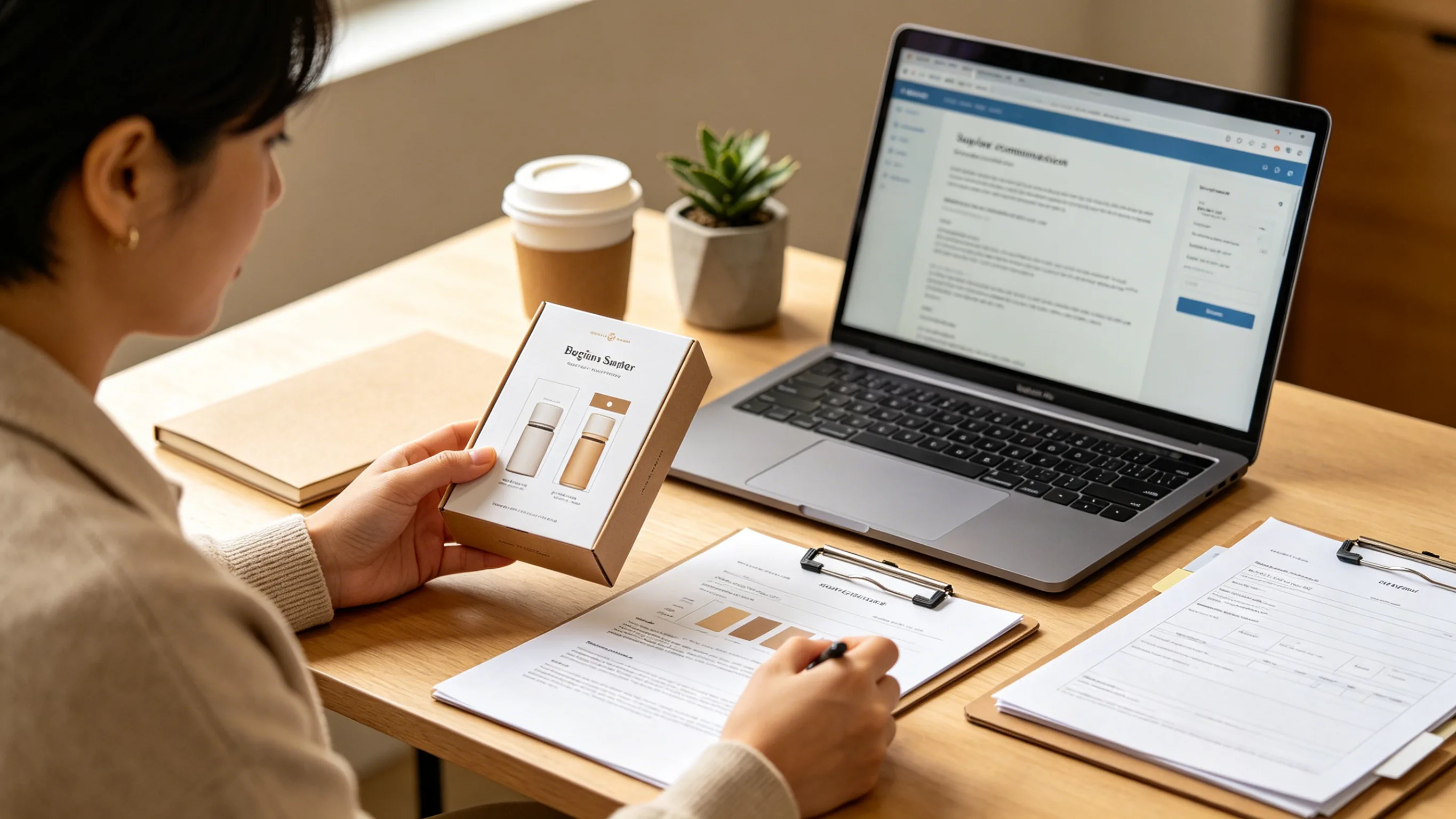
Never place a bulk order without approving physical samples. A reputable manufacturer will supply digital mock-ups within 24 hours and physical samples within 3–7 days. Sample costs are typically \$30–\$150 and should be deductible from the bulk order. Any supplier that refuses to provide samples before bulk production is a red flag.

Step 4: Payment Terms for First-Time Buyers

Standard terms are 30–50% deposit on order confirmation, balance before shipment. On your very first order, expect to pay full upfront or 50/50. As the relationship develops, net-30 terms on the balance become negotiable. Never pay 100% upfront to a supplier you haven't verified.

Step 5: Shipping — The Part Everyone Underestimates

China-to-door shipping typically adds 30–60 days and 15–35% to your unit cost depending on volume and shipping method. You'll need a freight forwarder — they handle customs, duties, and final delivery. Budget for:

  • Sea freight (LCL/FCL): 25–35 days to US/EU ports, lowest cost per unit
  • Air freight: 5–8 days, 6–10× the cost, use only for samples or urgent small runs
  • Import duties: vary by HS code and destination country — check before ordering

Red Flags to Watch For

  • No business registration or factory address available on request
  • Prices significantly below every other quote (usually signal on quality or spec mismatch)
  • Unwillingness to provide samples before bulk commitment
  • No quality inspection or QC process documentation
  • Vague answers to specification questions

Ready to place your first order? We'll walk you through every step.

Start Your First Order

Put the Knowledge to Work

Get a custom packaging quote that incorporates exactly the cost and sustainability strategies covered in our guides.